Any housing unit selected by an HCV family must meet an acceptable level of health and safety, as established by the U.S. Department of Housing and Urban Development (HUD), before YHA can approve it for occupancy. Performance requirements and acceptability criteria are applied to each room as well as to the building exterior, heating and plumbing, and general health and safety of the unit.
There are four (5) types of inspections conducted by YHA for the HCV Program. Each one has a distinct purpose and stage in the leasing process. However, all follow the same set of standards to ensure that any unit occupied by an HCV participant family is decent, safe, sanitary, and in good repair.
Completed prior to the HCV participant family moving into the unit, an initial inspection is scheduled after a Request for Tenancy Approval (RTA) packet is correctly submitted to YHA and the property owner has passed an eligibility screening. All unit deficiencies during an initial inspection are the property owner’s responsibility and they’ll have 14 days to make any repairs and schedule a second inspection. If the unit fails a second time, the RTA will be denied, and the family will need to find another unit.
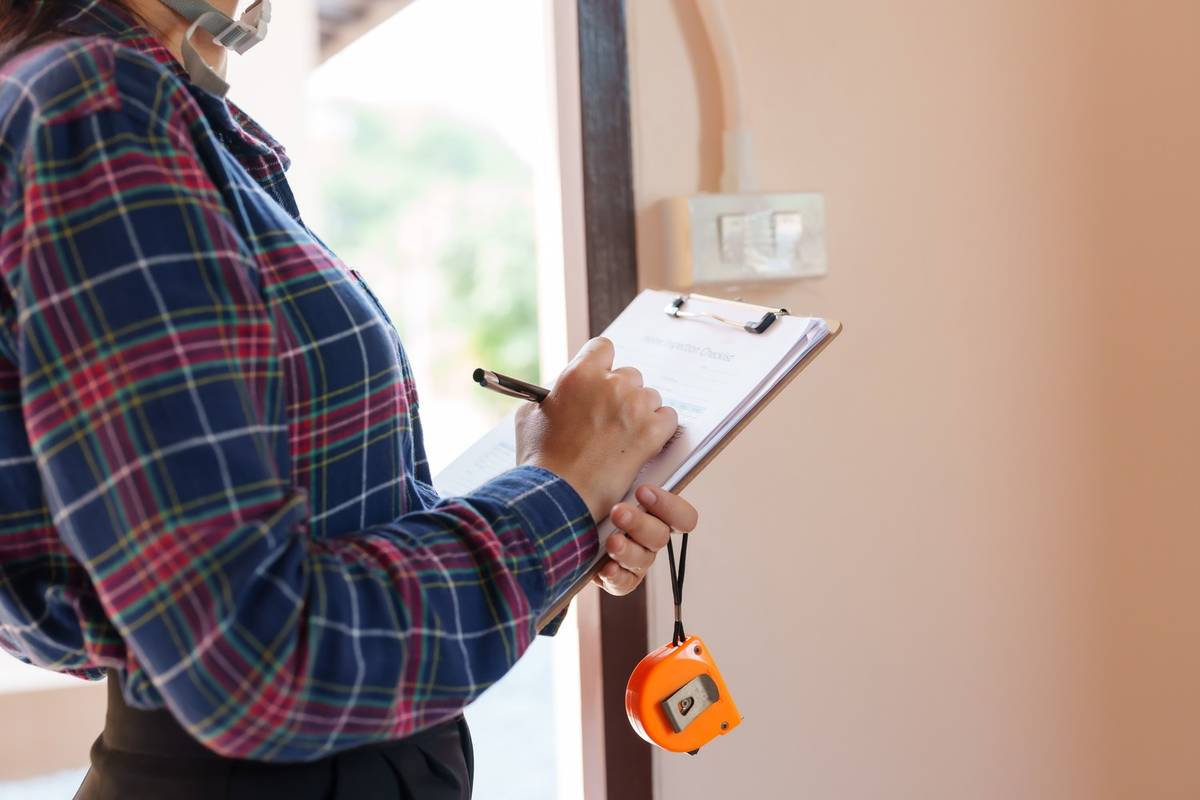
A regular inspection is conducted at least biennially (once every two years) to determine that the unit is still in compliance with YHA’s inspection standards as well as ensure continued quality living conditions for the participant family. Any deficiencies during a regular inspection will be noted as the responsibility of either the property owner or the participant and will need to be remedied within a specified time frame in order to avoid any adverse action (i.e., abatement of HAP to the property owner, issuance of an Intent to Terminate (ITT) notice to the participant).

A Special inspection can be requested at any time by the participant or property owner. However, whichever party submits the request must be present for the scheduled date and time of the inspection. If any of the reported items are life-threatening deficiencies (formerly emergency fail items) as defined in the YHA HCV Program Administrative Plan, the inspector will conduct the complaint inspection within 24 hours. Otherwise, the inspection will be conducted within 15 days. Examples of a life-threatening deficiency include blocked entrances or exits, gas or fuel leaks, utilities not in service or backed up sewer system in the unit.

To ensure that the inspection standards are being uniformly applied and interpreted by all inspectors, quality control inspections are conducted on random samples of units that have recently passed inspection. Typically, these inspections occur within 30 calendar days of the date the last inspection was conducted.
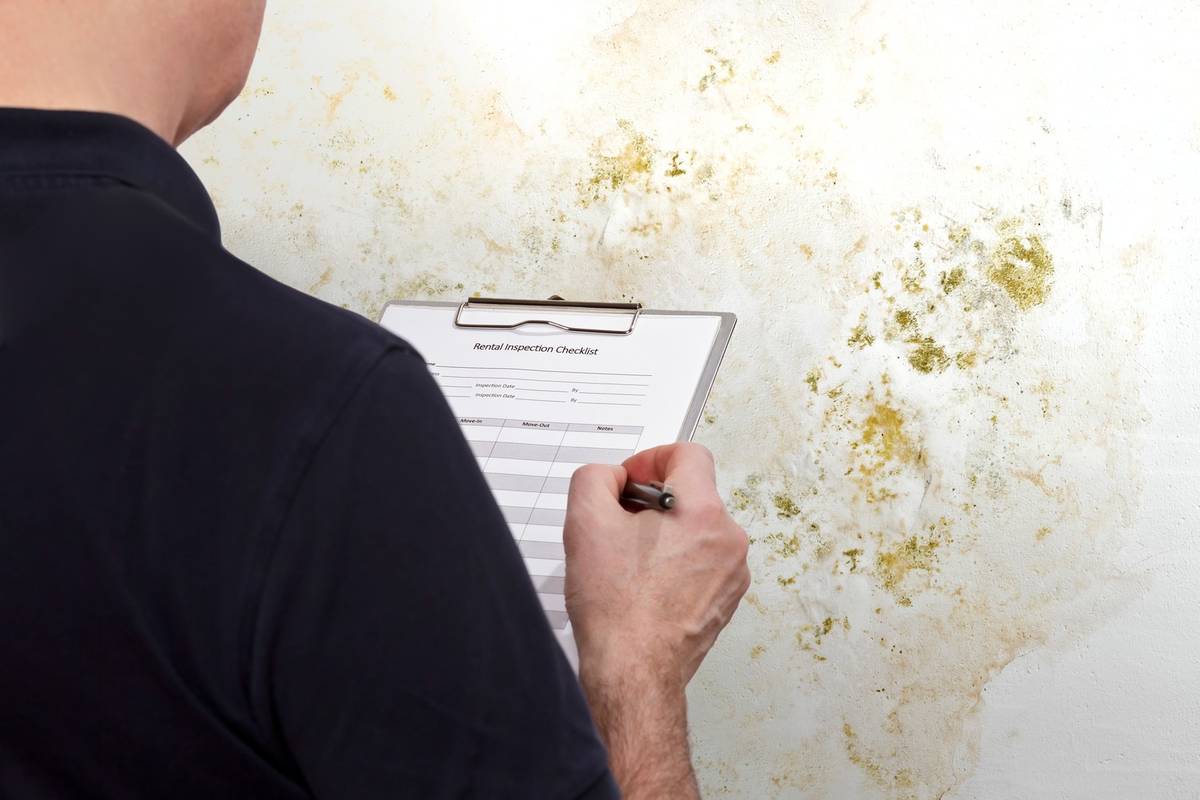
If a unit fails a regular, complaint or quality control inspection, YHA will automatically schedule the unit for re-inspection in 30 days (unless there are life-threatening deficiencies, which require re-inspection within 24 hours).
Pre-inspection: this is an inspection to look at your dwelling to show you how the inspection process is completed